Choosing a Dentist in Ashland, VA: What Should You Look For?
Choosing a Dentist in Ashland, VA: What Should You Look For?
Choosing a dentist is an important decision for you and your family. You want a practice where you feel comfortable, your questions are answered clearly, and you can receive the dental care you need in one convenient location.
If you are looking for a dentist in Ashland, VA, it can be difficult to know what to look for when comparing different practices. While location and convenience are important, there are several other things worth considering, including the dentist’s experience, available services, approach to patient care, insurance information, and what you can expect when you become a new patient.
At Atlee Family & Cosmetic Dentistry, we believe patients should have the information they need to choose a dental practice that feels right for them.
Start with the Dentist’s Qualifications and Experience
One of the first things to consider when choosing a dentist is their education, professional background, and approach to patient care.
At Atlee Family & Cosmetic Dentistry, our dentist is Dr. Alice Xiang, DDS. Dr. Xiang grew up in Herndon, Virginia, earned a Bachelor of Arts in Biology from the University of Virginia, and went on to attend the Virginia Commonwealth University School of Dentistry. She also completed a residency at VCU.
We believe it is important for patients to know who will be providing their care and to feel confident in their dentist.
Look for Dental Services That Meet Your Needs
When choosing a family dentist in Ashland, it is helpful to consider whether the practice offers the services you and your family are likely to need over time.
At Atlee Family & Cosmetic Dentistry, we provide a range of general and restorative dental services, including preventive care, fillings, crowns and bridges, dentures and partials, and extractions.
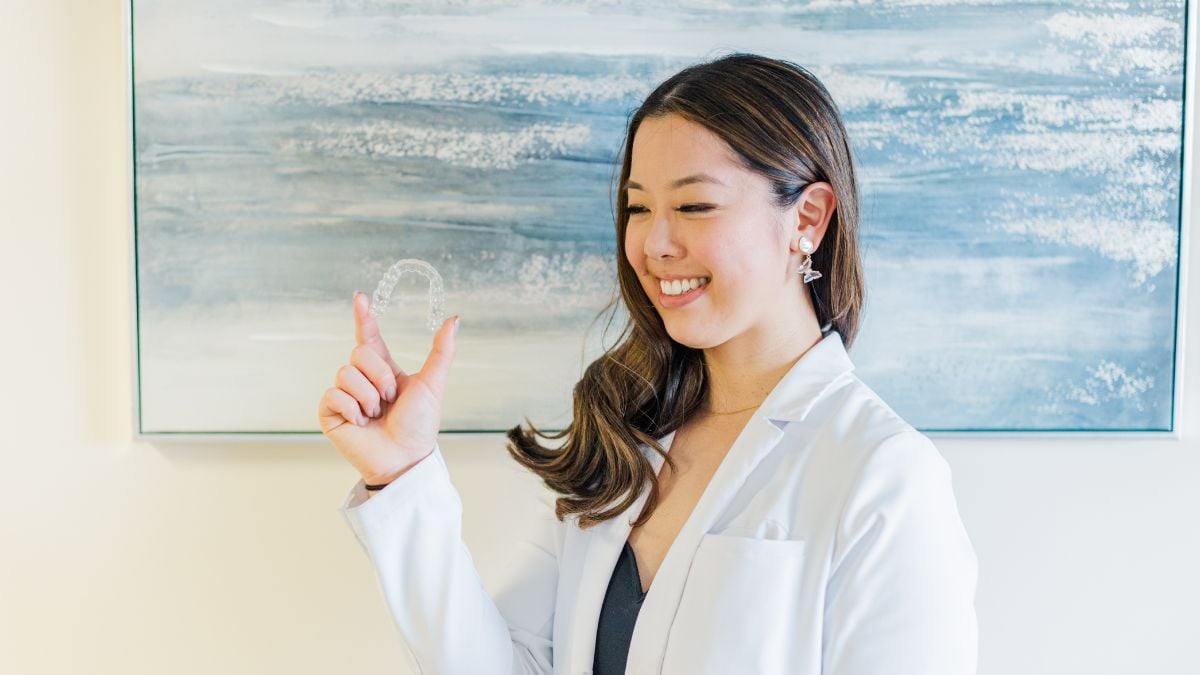
We also offer services such as Invisalign, same-day crowns, dental implants, and cosmetic dentistry.
Having access to a variety of treatments in one practice can make managing your family’s dental care more convenient. Most importantly, we take the time to explain your options so you can make informed decisions about your treatment.
Consider What to Expect as a New Patient
Starting with a new dentist can sometimes feel uncertain, particularly if you don’t know what will happen at your first appointment.
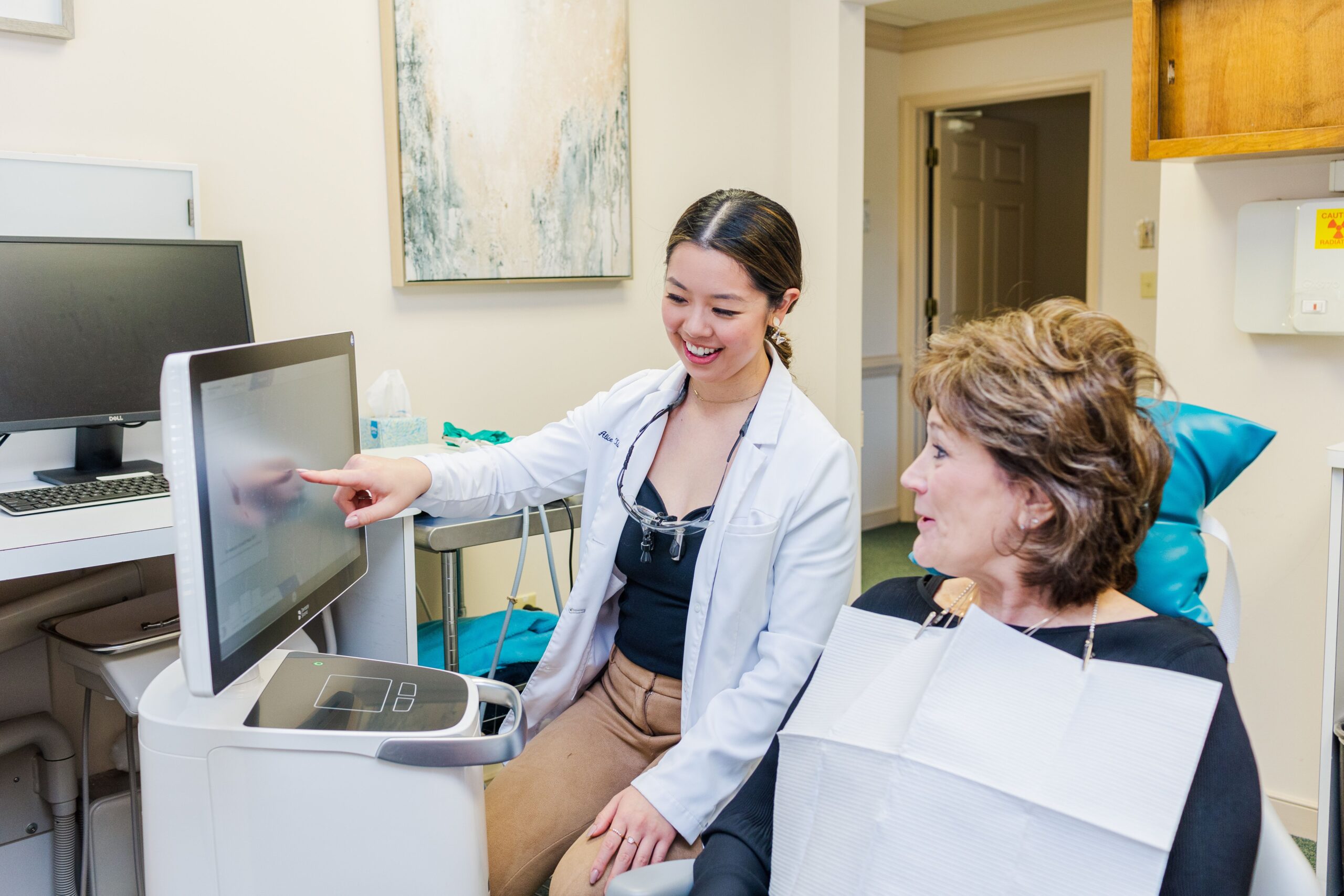
We want our new patients to know what to expect before they arrive. As part of our new patient process, we verify insurance benefits before the appointment. Your first visit includes a full series of X-rays, a complimentary digital wellness scan, and a treatment plan for any dental work that may be recommended.
We also make completing your new patient paperwork easy by sending it electronically by text or email.
Our goal is to make your first visit as straightforward and comfortable as possible.
Choose a Dentist Who Takes Time to Listen
Good communication is an important part of dental care.
You should feel comfortable asking questions about your oral health and any treatment that has been recommended. We believe you should understand why a treatment may be needed, what your options are, and what to expect before moving forward.
At Atlee Family & Cosmetic Dentistry, we focus on personalized treatment planning and listening to our patients. We want you to feel informed and comfortable throughout your care.
If you are ever unsure about a recommendation, we encourage you to ask questions. Understanding your dental care is an important part of making the right decision for yourself and your family.
Ask About Dental Technology
Modern dental technology can make a difference when it is used to support diagnosis, treatment planning, and patient care.
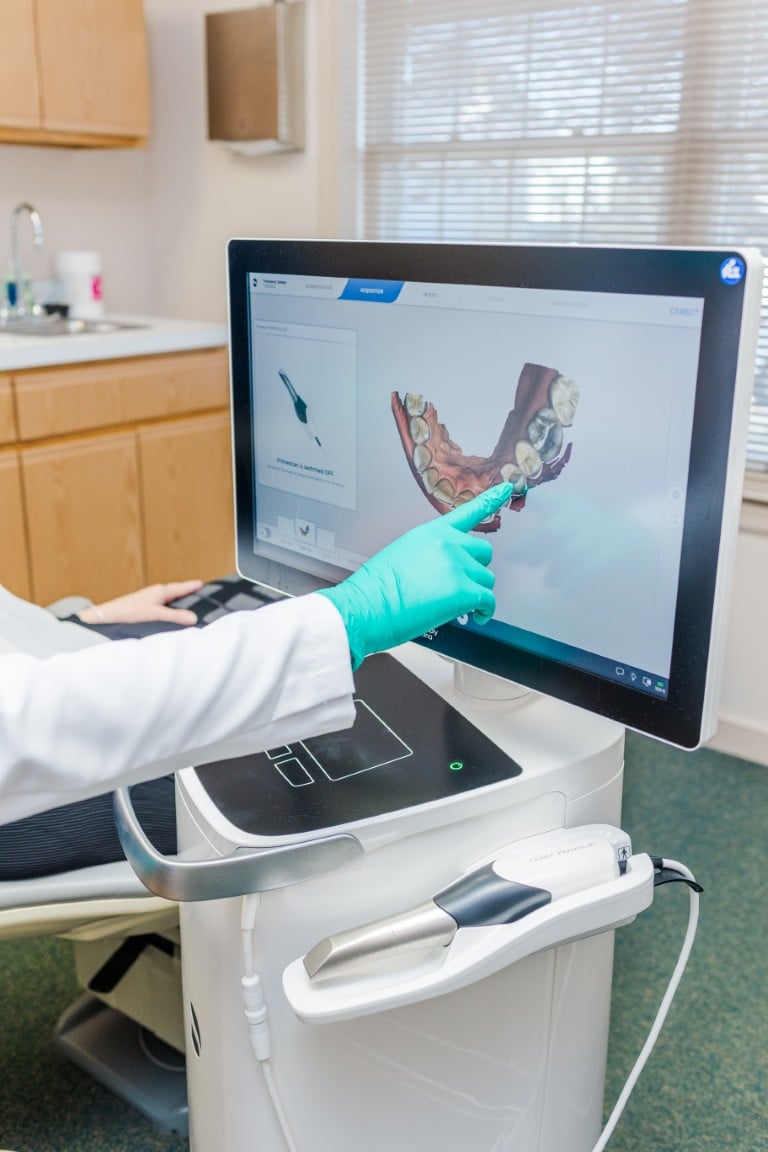
We use digital technology in several areas of our practice. For example, our same-day crown service uses digital scanning and computer-aided design. Our new patient process also includes a digital wellness scan.
Technology is not a substitute for experience or personal care, but when used appropriately, it can help us assess your dental health, plan treatment, and explain what we find.
Check Insurance Information Before Your Appointment
Dental insurance is another important consideration when choosing an Ashland, VA dentist.
Insurance plans and network participation can vary, so we recommend checking your specific benefits before scheduling treatment. Atlee Family & Cosmetic Dentistry currently does not participate with Medicaid or Delta Dental. We do work with other insurance plans, but we recommend confirming network participation directly with your insurance provider.
If you have questions about your insurance, our team can also help you understand the information available to you. Checking your coverage in advance can help you avoid unexpected costs.
Consider Location and Office Hours
Even if you find a dentist you like, convenience matters when it comes to keeping up with regular dental appointments.
Our office is located at:
Atlee Family & Cosmetic Dentistry
10640 Charter Hill Court, Suite 101
Ashland, VA 23005
We are next to Walmart on Sliding Hill Road and across from the Kings Charter entrance.
Our current office hours are Monday through Thursday, 8:00 am to 5:00 pm. We are closed Friday through Sunday.
When choosing a dentist, consider whether the location, office hours, and appointment options fit comfortably into your normal routine. A convenient practice can make it easier to stay consistent with preventive care and follow-up appointments.
Find a Dentist Who Is Right for You and Your Family
There isn’t one dental practice that is right for everyone. The best choice depends on what matters most to you.
You may be looking for a family dentist who can provide routine preventive care. You may need restorative treatment, cosmetic dentistry, dental implants, or Invisalign. Or perhaps your priority is simply finding a dental team that listens to you and explains your treatment clearly.
When comparing dentists in Ashland, VA, consider:
- The dentist’s education and experience
- The services available
- What is included in the new patient appointment
- How the practice communicates with patients
- Insurance and payment information
- The office location and hours
- Whether you feel comfortable asking questions
At Atlee Family & Cosmetic Dentistry, our goal is to provide personalized dental care in an environment where patients feel listened to and informed.
What Our Patients Say
We are grateful when patients take the time to share their experiences with our team.
One patient, Ryan C., shared:
“I recently moved to the area and was in the market for a dentist and my family is blessed to have found this practice.”
We are proud to welcome families from Ashland and the surrounding area and appreciate the trust our patients place in us.
Frequently Asked Questions
How do I choose a dentist in Ashland, VA?
Start by considering the dentist’s qualifications, the services offered, the new patient process, communication, insurance information, location, and office hours. Most importantly, choose a practice where you feel comfortable and confident in your care.
What should I look for in a family dentist in Ashland?
Look for a practice that offers the routine preventive and restorative care your family needs, communicates clearly, and takes time to answer your questions. It can also be helpful to find out what is included in the first appointment and how insurance is handled.
What happens during a first visit to Atlee Family & Cosmetic Dentistry?
Our new patient process includes insurance benefit verification before the visit. The first appointment includes a full series of X-rays, a complimentary digital wellness scan, and a treatment plan for any dental work that may be needed.
Does Atlee Family & Cosmetic Dentistry accept insurance?
We currently do not participate with Medicaid or Delta Dental. We work with other insurance plans, but we recommend checking directly with your insurance provider to confirm whether our practice is in network for your specific plan.
Where is Atlee Family & Cosmetic Dentistry located?
Our office is located at 10640 Charter Hill Court, Suite 101, Ashland, VA 23005. We are next to Walmart on Sliding Hill Road and across from the Kings Charter entrance.
What dental services do you offer?
We offer general dentistry services including preventive care, fillings, crowns and bridges, dentures and partials, and extractions. We also provide Invisalign, same-day crowns, dental implants, and cosmetic dentistry.
Looking for a Dentist in Ashland, VA?
Finding the right dentist is about more than choosing the closest office. You want a dental team that understands your needs, communicates clearly, and provides the services and care you are looking for.
If you are considering Atlee Family & Cosmetic Dentistry, we would be happy to answer your questions about our services, new patient process, insurance, and appointments.
Atlee Family & Cosmetic Dentistry
10640 Charter Hill Court, Suite 101
Ashland, VA 23005
(804) 825-2694
Contact our team today to find out whether we are the right fit for you and your family.