Atlee Family & Cosmetic Dentistry, 10640 Charter Hill Court, Suite 101 Ashland, VA 23005

invisalign in ashland - The Clear Alternative To Braces - Atlee Dentistry

Invisalign in Ashland, VA: How Clear Aligners Fit Around Everyday Life

Invisalign in Ashland, VA: How Clear Aligners Fit Around Everyday Life

Invisalign is a series of clear, removable aligners that gradually straighten teeth without the brackets and wires of traditional braces. At Atlee Family & Cosmetic Dentistry in Ashland, VA, treatment is led by Dr. Alice Xiang, a Molis Mastermind trained Invisalign provider who has completed hundreds of hours of advanced training with the country’s top Invisalign educators.

For most adults considering straightening their teeth, the real question is not whether Invisalign works. It is whether it fits into a working life, a family schedule, and everyday meals without becoming a hassle. This guide answers that directly, alongside what treatment involves and what to expect at each stage.

What Is Invisalign?

Invisalign is a custom made series of clear plastic aligners, each one worn for a set period before moving on to the next in the sequence, gradually guiding teeth into their correct position. Unlike fixed braces, the aligners are removable, nearly invisible when worn, and require no metal brackets or wires.

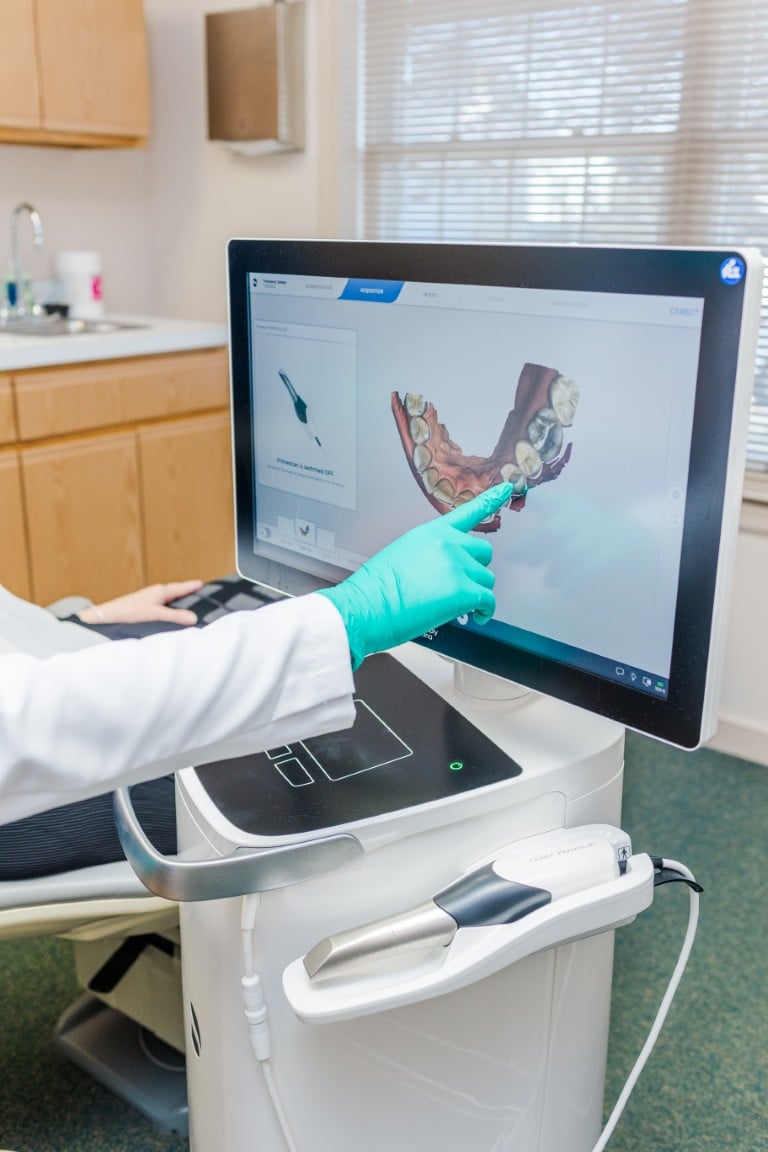
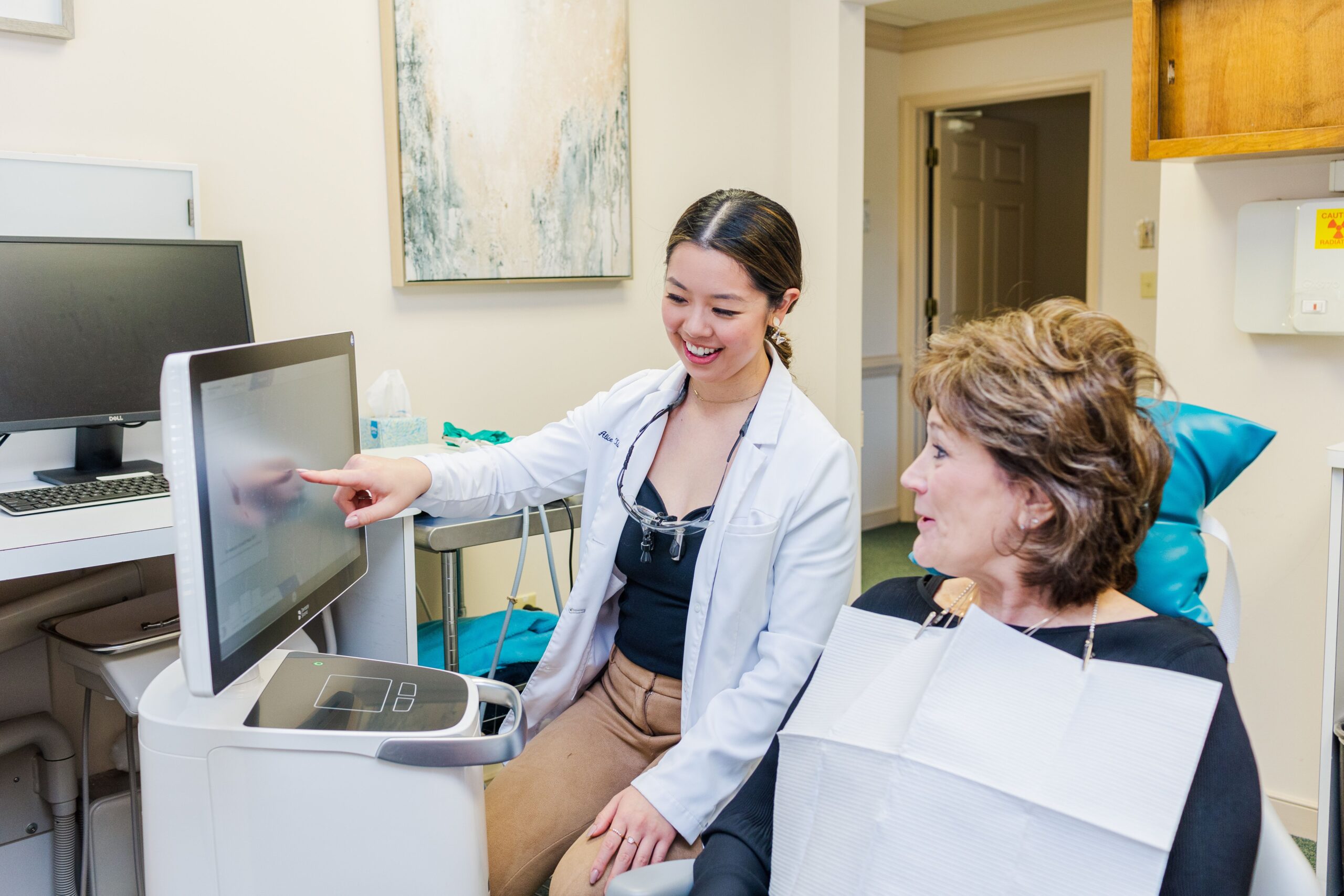
Treatment is planned from the start using a digital scan of your teeth, so you and Dr. Xiang can see a projection of your results before committing to treatment.

How Invisalign Fits Around Work, Meals, and Daily Life

The biggest practical advantage of Invisalign over traditional braces is that it is removable. That single feature is what makes it realistic for a busy adult schedule in a way that fixed braces are not.

  • Meals: aligners come out to eat, so there are no food restrictions and nothing to work around at lunch, dinner, or a work event
  • Work and meetings: aligners are nearly invisible, so most colleagues and clients will not notice you are wearing them at all
  • Sports and activities: aligners can be removed for contact sports or exercise, then put straight back in afterward
  • Oral hygiene: you brush and floss exactly as normal, since there are no brackets or wires to clean around

The tradeoff for that flexibility is discipline. Aligners only work if they are worn for the recommended hours each day, generally 20 to 22 hours, which means they need to go back in soon after eating rather than being left out for convenience.

How Long Does Invisalign Treatment Take?

Treatment length depends on how much movement your teeth need. Straightforward cases involving minor crowding or spacing typically resolve faster than more involved bite corrections, and Dr. Xiang will give you a personalized timeline based on your scan rather than a generic estimate.

Most patients are seen periodically throughout treatment so progress can be checked and the next set of aligners issued, with the overall process typically measured in months.

What Does Invisalign Cost in Ashland, VA?

Cost depends on the complexity of your case and how many aligners your treatment plan requires, so Atlee Family & Cosmetic Dentistry provides a personalized quote after your complimentary Invisalign consultation rather than a single blanket figure.

A complimentary Invisalign consultation is available to every new patient considering treatment, which is the fastest way to find out what your specific case would involve and cost before committing to anything.

Is Invisalign Right for You?

Invisalign suits a wide range of concerns, including crowding, gaps, and mild to moderate bite issues. It tends to work best for patients who are comfortable with the responsibility of wearing and caring for removable aligners consistently, since results depend on that daily commitment.

More complex bite corrections sometimes benefit from a different approach, and Dr. Xiang will tell you honestly at your consultation if that is the case for your teeth, rather than assuming Invisalign is the automatic right fit for every patient who asks about it.

What to Expect at Each Stage of Treatment

  • Consultation: a digital scan of your teeth, a conversation about your goals, and a projection of your likely results
  • Aligner fitting: your first set of custom aligners is fitted and you are shown how to insert and remove them properly
  • Progress checks: periodic visits to track how your teeth are moving and to collect the next stage of aligners
  • Final results: once your aligners are complete, a retainer keeps your teeth in their new position

Because each stage is planned around a digital scan taken at the start, there are few surprises along the way. You know roughly what is coming at each visit before you arrive.

Seeing Your Results Before You Commit

One advantage of modern Invisalign planning is that you do not have to guess what your finished smile will look like. The digital scan taken at your consultation is used to generate a projection of your teeth’s movement from start to finish, so you can see a realistic preview of your result before deciding to move forward with treatment.

That upfront visibility tends to make the decision easier for patients who are on the fence, since it turns an abstract idea into something concrete you can actually see.

Invisalign vs. Traditional Braces

Both Invisalign and traditional braces move teeth into a straighter, healthier position, but they suit different lifestyles. Traditional braces are fixed for the duration of treatment, which removes any question of compliance since there is nothing to remember to wear. Invisalign trades that hands-off simplicity for discretion and flexibility, at the cost of needing consistent daily discipline.

Neither option is universally better. Patients who want the least visible option and can commit to wearing aligners consistently tend to do very well with Invisalign. Patients who would rather not think about compliance at all, or whose case involves more complex movement, sometimes do better with a fixed approach. Dr. Xiang will walk through both honestly at your consultation.

Common Questions About Starting Invisalign

A few concerns come up regularly with new patients considering treatment, and addressing them upfront tends to make the decision easier.

  • Will it hurt: most patients feel mild pressure for a day or two after switching to a new aligner, which is a normal sign that teeth are moving, not a sign of a problem
  • Will people notice: Invisalign aligners are designed to be discreet, and most people will not notice you are wearing them in everyday conversation
  • What if I lose one: contact the practice as soon as possible so a replacement or the next stage can be issued without derailing your overall timeline
  • Can I still play sports: aligners can be removed for contact sports, then placed back in immediately afterward

Atlee Family & Cosmetic Dentistry is located in Ashland, VA, and treatment is led by Dr. Alice Xiang, whose Molis Mastermind training puts her among a select group of Invisalign providers with hundreds of hours of advanced, specialized education in clear aligner treatment.

“I cannot express enough how excited I am about my new smile! Dr. Alice and her team did such an amazing job. I highly recommend coming to Atlee Family & Cosmetic Dentistry for all of your dental needs, ESPECIALLY Invisalign. I’ve been wanting straight teeth since I was a kid. You can’t beat the prices and the end results are amazing!”

Atlee Family & Cosmetic Dentistry patient, Google review

That level of specialized training, paired with a practice built around comfortable, same-day care, is why so many Invisalign patients in Ashland choose Atlee Family & Cosmetic Dentistry over a general provider.

Advanced Technology Behind Your Treatment

Atlee Family & Cosmetic Dentistry uses state of the art digital wellness scans and imaging technology throughout treatment, the same technology behind the practice’s same-day crowns and other advanced services. For Invisalign specifically, this means your aligner plan is based on precise digital measurements rather than manual impressions, which supports both comfort and accuracy from your very first set of aligners.

Caring for Your Smile After Invisalign

Once your active treatment is complete, wearing your retainer as recommended is what keeps your teeth from drifting back toward their original position. Regular checkups and good daily hygiene help protect your investment for years to come.

If you lose or damage an aligner or retainer during treatment, contact the practice promptly rather than skipping a stage, since a missed aligner can set your timeline back.

Invisalign for Patients Across Ashland and Hanover County

Atlee Family & Cosmetic Dentistry serves patients throughout Ashland and the surrounding Hanover County area, offering the same same-day approach to Invisalign that the practice is known for across general and cosmetic treatment.

If crowded, gapped, or misaligned teeth have kept you from smiling with confidence, a complimentary Invisalign consultation is the place to start. Call (804) 825-2694 or schedule online to find out what Invisalign could do for your smile.

Frequently Asked Questions

How much does Invisalign cost in Ashland, VA?

Cost depends on the complexity of your case and the number of aligners your treatment plan requires. Atlee Family & Cosmetic Dentistry provides a personalized quote after a complimentary Invisalign consultation rather than a fixed price, since every case is different.

How long does Invisalign treatment take?

Treatment length varies based on how much movement your teeth need. Minor crowding or spacing typically resolves faster than more complex bite corrections. Dr. Alice Xiang provides a personalized timeline based on your digital scan at your consultation.

Does Invisalign work as well as traditional braces?

For a wide range of cases, including crowding, gaps, and mild to moderate bite issues, Invisalign is an effective and proven alternative to braces. More complex bite corrections sometimes require a different approach, which your dentist will discuss honestly at your consultation.

Do I have to wear my Invisalign aligners all the time?

Yes, aligners need to be worn approximately 20 to 22 hours a day to stay on schedule. They come out for eating and cleaning your teeth, then go back in shortly after, since results depend on consistent daily wear.

Is Invisalign noticeable when I’m at work or in meetings?

No, one of the main reasons adult patients choose Invisalign is that the aligners are nearly invisible. Most coworkers and clients will not notice you are wearing them during everyday interactions.

What happens after my Invisalign treatment is finished?

Once your active treatment is complete, you will be fitted with a retainer to keep your teeth in their new position. Wearing it as recommended, along with regular checkups, helps protect your results long term.

Continue reading

Same Day Crowns in Ashland Scanner

Same Day Crowns in Ashland, VA: How a New Crown Is Made and Fitted in a Single Visit

Same Day Crowns in Ashland, VA: How a New Crown Is Made and Fitted in a Single Visit

A same day crown is a custom dental crown that is designed, created, and fitted in one appointment, using computer aided technology right in the dental office. There is no temporary crown to wear, no impression molds to gag on, and no second visit weeks later. At Atlee Family & Cosmetic Dentistry in Ashland, VA, the entire process takes around two hours, and you leave with your permanent crown already in place. If you have been searching for same day crowns near me and wondering how one visit crowns actually work, this guide walks you through the whole experience.

What a dental crown does, and why you might need one

A crown is a custom cap that fits over a tooth, restoring its strength, shape, and appearance. Think of it as a suit of armor for a tooth that has been through a lot. Your dentist may recommend a crown when:

  • A tooth is cracked or has broken, and needs protection to keep functioning.
  • A large filling has weakened the tooth over time and it needs reinforcement.
  • A tooth has had root canal treatment and needs a strong covering.
  • A tooth is badly worn down from grinding or years of use.
  • A tooth is discolored or poorly shaped and you want it to blend with your smile.

Crowns look and feel as natural as your own teeth, and they let you chew, speak, and smile with complete confidence. The question has never really been whether crowns work. It has been how inconvenient the traditional process was, and that is exactly what same day technology fixed.

The old way: why traditional crowns test your patience

For decades, getting a crown meant a drawn out routine. At the first appointment, the tooth was prepared and a putty impression was taken, the kind that fills your mouth and makes you count the seconds. A temporary crown was cemented on, and the impression went off to a distant laboratory.

Then came the waiting, usually a few weeks, while you babied a temporary crown that was never designed for real life. Temporaries can loosen, come off at inconvenient moments, and make chewing on that side a gamble. Finally, a second appointment, more numbing, and the permanent crown was fitted at last. Two visits, weeks apart, for one tooth.

The same day way: one visit, start to finish

Same day crowns compress that entire journey into a single appointment at our Ashland practice. Here is how it unfolds.

Preparing your tooth

Your visit starts the way any crown appointment does. The area is fully numbed, and your dentist carefully shapes the tooth so the crown will fit over it perfectly. Most patients find this part far more comfortable than they feared.

Digital design instead of putty

Instead of a tray of impression material, we capture your prepared tooth digitally. Computer aided technology maps the tooth and its neighbors precisely, and your new crown is designed to fit your bite, match your tooth shape, and blend with the color of your smile.

Your crown is made while you relax

This is the part patients love. Your crown is milled right here in our office while you wait. There is no laboratory across the state, no shipping, and no weeks of limbo. You can sit back, relax, and let the technology do its work.

Fitted, checked, and done

Once your crown is ready, we try it in place, check the fit and your bite carefully, make any fine adjustments, and bond it permanently. You walk out of your roughly two hour appointment with a finished, permanent crown, and your calendar stays clear of follow up visits.

Why patients in Ashland choose same day crowns

  • One appointment instead of two, which means one set of numbing and half the time away from work or family.
  • No temporary crown, so there is nothing to loosen, break, or worry about between visits.
  • No putty impressions, replaced by quick and comfortable digital scanning.
  • A precise fit, because digital design measures your tooth in fine detail.
  • Natural looking results, with the crown matched to the shape and shade of your own teeth.

For busy families around Ashland and Mechanicsville, the convenience alone is worth it. For anyone who has ever had a temporary crown pop off the weekend before their fitting, it is a small miracle.

Caring for your new crown

A crown asks very little of you. Brush twice a day, floss daily, and pay a moment of attention to the gum line around the crowned tooth, since the tooth underneath still needs protecting. Keep your regular checkups so we can confirm everything stays snug and healthy, and avoid using any of your teeth as tools for opening packets. Treated kindly, a well made crown will serve you for many years.

How to prepare for a same day crown appointment

Very little preparation is needed, which is rather the point. Eat normally beforehand, since your mouth will be numb for a while afterward. Bring headphones or a book if you like, although plenty of patients simply enjoy a quiet hour while the crown is milled. If dental visits make you anxious, tell us when you book. Knowing what to expect at each stage helps enormously, and our team is happy to talk you through everything before we begin.

When a crown is not the answer

Honesty matters more to us than convenience, so it is worth saying plainly: not every damaged tooth needs a crown. A small chip may be better served by simple bonding. A modest cavity needs only a filling. And a tooth that is beyond saving may need a different conversation entirely, with options for replacing it well.

When you visit our Ashland practice, the recommendation you get will be the one your tooth actually needs. If that is a crown, the same day process makes it as painless as modern dentistry allows. If it is something simpler, you will be told so, and your wallet will thank us.

Your dentist in Ashland, VA for same day dentistry

Atlee Family & Cosmetic Dentistry cares for patients across Ashland, Mechanicsville, and the surrounding Hanover County communities. As a family practice offering everything from checkups and dental crowns in Ashland to cosmetic treatments, we believe modern dentistry should respect your time as much as your smile, and our same day crown technology is exactly that belief in action.

If you have been told you need a crown, or you have a broken or worn tooth you have been ignoring because you dreaded the process, it is worth finding out how simple it has become.

Frequently asked questions

How long does a same day crown appointment take?

Plan for around two hours at our Ashland practice. That single appointment covers everything: preparing the tooth, digitally designing your crown, milling it in our office, and fitting it permanently. Compare that with the traditional route of two separate appointments spaced weeks apart, plus the time spent managing a temporary crown in between, and the appeal is easy to see.

Are same day crowns as strong as lab made crowns?

Yes. Same day crowns are milled from strong, high quality ceramic designed for everyday biting and chewing, and they are built to last for many years with normal care. The digital design process also means the fit is measured precisely, which supports the long term health of the tooth underneath. During your visit we check the crown carefully against your bite before it is permanently bonded.

Does insurance cover same day crowns in Ashland?

Same day crowns are typically covered by dental insurance in the same way as traditional crowns, since the difference is how the crown is made rather than what it is. Every plan has its own rules, so bring your insurance details along and our front desk team will help you understand your coverage and any out of pocket costs before treatment begins.

The small print that is not small: comfort

A crown appointment is one of dentistry’s most routine procedures, and comfort is built into every stage of ours. The numbing is thorough before any work begins, the digital scan replaces the impression trays patients used to dread, and the milling time is simply a pause in your day rather than more time in the chair. Patients regularly tell us the anticipation was the hardest part, and that the appointment itself was a pleasant surprise. If you have been delaying a crown because of an old memory from decades ago, modern same day dentistry will feel like a different world.

Numbers help tell the story too: two hours in one visit against two appointments, weeks of waiting, and a temporary crown in between. For most people the choice makes itself.

One visit. One crown. Done.

If a damaged or weakened tooth has been on your to do list, this is your sign to cross it off in a single afternoon. Book your appointment with Atlee Family & Cosmetic Dentistry in Ashland, VA and find out whether a same day crown is right for your tooth. Visit our contact page to schedule your visit, or call us at 804 825 2694 today.

Continue reading

dental implants in ashland

Are Dental Implants Right for You? What to Know Before Your Consultation in Ashland VA

Are Dental Implants Right for You? What to Know Before Your Consultation in Ashland VA

Dental implants in Ashland VA are not a one-size-fits-all solution, but the list of people who genuinely cannot have them is much shorter than most patients assume. If you have been told implants might not be possible, or you are not sure whether you qualify, this guide gives you an honest picture of what actually determines candidacy and what your options are if there are barriers to address first.

The Core Requirements for Dental Implants in Ashland VA

Three things matter most when assessing whether dental implants are suitable for a patient: sufficient jawbone density to anchor the implant post, healthy gums free from active disease, and overall health that supports normal healing.

If all three are in good shape, you are likely a strong candidate. If any of them need attention first, that is usually a path to treatment rather than a barrier to it.

What Affects Your Suitability as a Candidate?

Jawbone Density

The implant post is placed directly into the jawbone, so there needs to be enough bone volume and density to hold it securely. If you have had a missing tooth for some time, bone resorption may have reduced what is available.

This is one of the most common reasons patients are told they are not immediately suitable, but it is rarely a permanent barrier. Bone grafting can rebuild the area before implant placement and is a routine part of implant dentistry.

Gum Health

Active gum disease needs to be treated before implants are placed. Bacteria from untreated gum disease can compromise the healing process and increase the risk of implant failure. Once gum health is restored, implant treatment can proceed.

Smoking

Smoking reduces blood flow to the gums and slows healing, which increases the risk of complications after implant placement. It does not automatically rule out implants, but your dentist will want to discuss it openly and may recommend cutting back or stopping before treatment begins.

Systemic Health Conditions

Conditions like uncontrolled diabetes, autoimmune disorders, or certain medications that affect bone density can influence healing. Managed conditions are a very different situation from uncontrolled ones. Many patients with ongoing health conditions go on to have successful implants, so full transparency with your dentist at the consultation stage is essential.

Who Is Not a Candidate for Dental Implants?

Adults whose jawbones are still developing, typically under 18, are not suitable candidates yet. Beyond that, there are very few absolute contraindications. Most apparent barriers can be addressed with preparatory treatment or managed carefully during the implant process.

At Atlee Dentistry, our approach is to explore every option before concluding that dental implants in Ashland VA are not possible for a patient. A second opinion is always worthwhile if you have been told elsewhere that implants are off the table.

What Are the Alternatives If Implants Are Not Right Yet?

Bone Grafting First

If low bone density is the issue, a bone graft is often the bridge between where you are now and being a strong implant candidate. Your dentist will explain the grafting process, the healing time involved, and how it integrates with the overall implant timeline.

Implant-Supported Dentures

For patients who need to replace multiple teeth but face challenges with individual implants, implant-supported dentures offer a middle ground. A smaller number of implants anchor a removable or fixed denture, combining the stability benefits of implants with a solution that works for more complex cases.

Fixed Dental Bridge

A bridge is a good option for replacing one to three adjacent teeth without implants. It is cemented permanently in place but does require preparing the surrounding teeth. For patients where implants are not suitable long-term, a well-made bridge is a reliable alternative.

Why Patients Choose Atlee Dentistry for Dental Implants in Ashland VA

For many patients, the biggest barrier to dental treatment is not candidacy. It is anxiety. At Atlee Dentistry, the entire team is trained to make even nervous patients feel at ease from the moment they walk in.

“I can’t say enough good things about the staff. They made the entire experience painless and comfortable. I have a severe dental phobia due to a past experience elsewhere and they put me at ease. Dr. Alice has a very soothing bedside manner and was absolutely wonderful. I won’t be afraid of the dentist anymore. Highly recommend!”

Devon Cole, Atlee Dentistry patient

That kind of experience is what dental implant treatment should feel like. A procedure that changes how you eat, speak, and smile deserves a team that takes the time to get it right, from the first conversation through to the final result.

How to Find Out If You Are a Candidate

The only way to know for certain is a proper assessment with an implant dentist in Ashland. Your dentist will take a 3D scan to measure bone volume, assess your gum health, and review your medical history. From that, you get a clear yes, a plan to get there, or an honest conversation about alternatives.

This is a clinical assessment designed to give you accurate information so you can make the best decision for your health, not a sales appointment.

Book your consultation online: Book Online at Atlee Dentistry

Call us: (804) 825-2694

Frequently Asked Questions

Can older adults get dental implants in Ashland VA?

Age alone is not a barrier. Patients in their 70s and 80s successfully receive dental implants provided their bone health and general wellbeing support it. Your dentist assesses your individual situation, not your age.

How do I know if I have enough bone for tooth replacement in Ashland VA?

A cone beam CT scan at your consultation gives a precise 3D picture of your jawbone. It takes a few minutes and gives your dentist the exact measurements needed to confirm whether implant placement is possible and where.

What happens if my implant fails?

Implant failure is uncommon, with success rates consistently above 95% over ten years. In the rare cases where an implant does not integrate properly, it is removed, the area is allowed to heal, and placement is typically reattempted with a higher chance of success the second time around.

Does smoking mean I cannot get dental implants?

Not necessarily. Smoking increases risk and your dentist will discuss it honestly with you, but it does not automatically disqualify you. Many smokers go on to have successful implant treatment, particularly those who are willing to reduce or stop smoking around the time of the procedure.

How long does the dental implant process take in Ashland VA?

The timeline varies by case. A straightforward single implant can be completed in a few months. Cases that require bone grafting or additional preparatory treatment will take longer. Your dentist will give you a realistic timeline at your consultation based on your specific situation.

Continue reading

Dental Implants VA

Dental Implants VA: Real Benefits, Long-Term Value and How They Compare

Dental Implants VA: Real Benefits, Long-Term Value and How They Compare

Many patients considering dental implants wonder whether they are worth the investment compared to other tooth replacement options. The honest answer depends on your priorities and long-term goals, what matters most to you, how long you want a solution to last, and what you are willing to commit to upfront. Here is a clear breakdown of the benefits, how implants compare to the alternatives, and what you can expect over time.

Why Dental Implants Are Considered the Gold Standard in VA

Dental implants are the only tooth replacement option that replaces the root as well as the visible crown. That distinction matters because the root is what keeps the jawbone healthy and stimulated. Without it, bone loss begins within months of losing a tooth and continues to progress over time.

No other restoration prevents this. Bridges and dentures sit on top of or anchor to existing teeth, but neither addresses what is happening beneath the gumline.

Does Dental Insurance Cover Implants in VA?

Many standard dental insurance plans in Virginia do not cover implants, or offer only partial coverage. This is gradually changing, and an increasing number of plans now include some implant benefit, particularly when tooth loss was caused by injury or a qualifying medical event.

It is worth calling your provider directly to ask specifically about implant coverage rather than relying on the general plan summary. The answer is often more nuanced than the paperwork suggests.

Flexible financing options can also make treatment more accessible. Ask about payment plans at your consultation so you can plan ahead with a clear picture of what works for your budget.

The True Cost of NOT Getting Dental Implants in Ashland

This is where the financial case for implants becomes compelling. Leaving a gap in your smile is not a neutral decision. Bone loss begins within months of losing a tooth and accelerates over time. This leads to shifting of surrounding teeth, changes to your bite, and eventually the kind of structural deterioration that requires far more complex and expensive treatment to address.

Tooth replacement in VA that addresses the root, not just the crown, prevents all of this. Dental implants in Ashland do what no other option can: stop bone loss by replacing the tooth root itself.

Implants vs Dentures vs Bridges: How They Compare Over Time

Dentures

Dentures need replacing every five to eight years. Add in adhesives, cleaning products and any repairs over time, and the ongoing investment adds up. Dentures also do not prevent bone loss, which means the jaw continues to change shape and refitting becomes necessary.

Dental Bridges

A bridge requires grinding down the two healthy teeth on either side to act as anchors, permanently altering them. Bridges typically last 10 to 15 years before needing replacement and do not address the underlying bone loss caused by a missing root.

Dental Implants

Implants carry a higher upfront investment, but the post is designed to last a lifetime. No neighbouring teeth are affected. Bone loss is prevented. The crown may need replacing after 15 to 20 years. No adhesives, no dietary restrictions, no overnight soaking.

The Non-Financial Benefits of Dental Implants VA

Beyond the numbers, the quality of life improvement that comes with implants is difficult to overstate. Patients consistently report being able to eat what they want, speak clearly and smile confidently without any awareness that the tooth is not natural.

There are no dietary restrictions, no overnight soaking, no worried glances in the mirror. For most patients who visit our implant dentist in Virginia, that return to normal daily life is worth more than any cost comparison.

Frequently Asked Questions

Are dental implants worth the investment?

For most patients, yes. When you factor in the lifespan of an implant versus the recurring costs of denture replacements or bridge repairs, implants often represent better long-term value. They also prevent the bone loss that leads to more complex and expensive corrective treatment down the line.

Can I get dental implants if my insurance does not cover them?

Yes. Many patients use financing plans to spread the cost of treatment. Your dentist can walk you through what options are available at your consultation so you can make a decision that works for your situation.

How do I know if I need a bone graft before my implant?

A 3D scan at your consultation will show exactly how much bone is available. If a graft is needed, your dentist will explain what is involved, how long it adds to the timeline and the full cost picture before any decisions are made.

Find Out the Investment for Your Specific Situation

Ready to take the next step and get a personalised picture of what dental implants would involve for you? Book a consultation at Atlee Dentistry and we will assess your suitability, explain all options clearly and give you transparent information with no obligation and no surprises.

Continue reading

Atlee Family & Cosmetic Dentistry. Dr. Alice Xiang Dental Implants VA

Dental Implants VA: Real Benefits, Long-Term Value and How They Compare

Dental Implants VA: Real Benefits, Long-Term Value and How They Compare

Many patients considering dental implants wonder whether they are worth the investment compared to other tooth replacement options. The honest answer depends on your priorities and long-term goals, what matters most to you, how long you want a solution to last, and what you are willing to commit to upfront. Here is a clear breakdown of the benefits, how implants compare to the alternatives, and what you can expect over time.

Why Dental Implants Are Considered the Gold Standard in VA

Dental implants are the only tooth replacement option that replaces the root as well as the visible crown. That distinction matters because the root is what keeps the jawbone healthy and stimulated. Without it, bone loss begins within months of losing a tooth and continues to progress over time.

No other restoration prevents this. Bridges and dentures sit on top of or anchor to existing teeth, but neither addresses what is happening beneath the gumline.

Does Dental Insurance Cover Implants in VA?

Many standard dental insurance plans in Virginia do not cover implants, or offer only partial coverage. This is gradually changing, and an increasing number of plans now include some implant benefit, particularly when tooth loss was caused by injury or a qualifying medical event.

It is worth calling your provider directly to ask specifically about implant coverage rather than relying on the general plan summary. The answer is often more nuanced than the paperwork suggests.

Flexible financing options can also make treatment more accessible. Ask about payment plans at your consultation so you can plan ahead with a clear picture of what works for your budget.

The True Cost of NOT Getting Dental Implants in Ashland

This is where the financial case for implants becomes compelling. Leaving a gap in your smile is not a neutral decision. Bone loss begins within months of losing a tooth and accelerates over time. This leads to shifting of surrounding teeth, changes to your bite, and eventually the kind of structural deterioration that requires far more complex and expensive treatment to address.

Tooth replacement in VA that addresses the root, not just the crown, prevents all of this. Dental implants in Ashland do what no other option can: stop bone loss by replacing the tooth root itself.

Implants vs Dentures vs Bridges: How They Compare Over Time

Dentures

Dentures need replacing every five to eight years. Add in adhesives, cleaning products and any repairs over time, and the ongoing investment adds up. Dentures also do not prevent bone loss, which means the jaw continues to change shape and refitting becomes necessary.

Dental Bridges

A bridge requires grinding down the two healthy teeth on either side to act as anchors, permanently altering them. Bridges typically last 10 to 15 years before needing replacement and do not address the underlying bone loss caused by a missing root.

Dental Implants

Implants carry a higher upfront investment, but the post is designed to last a lifetime. No neighbouring teeth are affected. Bone loss is prevented. The crown may need replacing after 15 to 20 years. No adhesives, no dietary restrictions, no overnight soaking.

The Non-Financial Benefits of Dental Implants in VA

Beyond the numbers, the quality of life improvement that comes with implants is difficult to overstate. Patients consistently report being able to eat what they want, speak clearly and smile confidently without any awareness that the tooth is not natural.

There are no dietary restrictions, no overnight soaking, no worried glances in the mirror. For most patients who visit our implant dentist in Virginia, that return to normal daily life is worth more than any cost comparison.

Frequently Asked Questions

Are dental implants VA worth the investment?

For most patients, yes. When you factor in the lifespan of an implant versus the recurring costs of denture replacements or bridge repairs, implants often represent better long-term value. They also prevent the bone loss that leads to more complex and expensive corrective treatment down the line.

Can I get dental implants if my insurance does not cover them?

Yes. Many patients use financing plans to spread the cost of treatment. Your dentist can walk you through what options are available at your consultation so you can make a decision that works for your situation.

How do I know if I need a bone graft before my implant?

A 3D scan at your consultation will show exactly how much bone is available. If a graft is needed, your dentist will explain what is involved, how long it adds to the timeline and the full cost picture before any decisions are made.

Find Out the Investment for Your Specific Situation

Ready to take the next step and get a personalised picture of what dental implants would involve for you? Book a consultation at Atlee Dentistry and we will assess your suitability, explain all options clearly and give you transparent information with no obligation and no surprises.

Continue reading

Will My Teeth Move Back After Invisalign

Will My Teeth Move Back After Invisalign?

Will My Teeth Move Back After Invisalign? Ashland VA Dentist

Many patients choose Invisalign to straighten their teeth because the treatment is designed to be discreet and fit comfortably into everyday life. Once treatment is complete and teeth are properly aligned, one of the most common questions patients ask is whether their results will last.

For patients considering Invisalign in Ashland, VA, understanding what happens after treatment is an important part of the overall process. At Atlee Dentistry, we find that patients who feel informed about retention before they begin treatment are better prepared and more confident throughout. Invisalign is highly effective at moving teeth into their intended positions, but maintaining those results requires ongoing care once the active phase of treatment ends.

Will Teeth Move Back After Invisalign?

Teeth are not fixed permanently in place. Even after orthodontic treatment, they remain supported by bone and soft tissues that can allow small movements over time. This means that the period following Invisalign treatment plays a key role in preserving alignment and protecting your investment.

This guide explains why teeth can shift after orthodontic treatment, what the retention phase involves, how retainers help maintain alignment, and what patients can do to protect their results over the long term.

Why Teeth Can Move After Orthodontic Treatment

To understand why retention matters, it helps to understand how orthodontic treatment works at a structural level. Teeth are supported by bone and ligaments that allow controlled movement. Invisalign works by applying gentle, consistent pressure to guide teeth into new positions gradually over the course of treatment.

After the final aligner, the supporting structures surrounding the teeth need time to stabilize in their new positions. Until this stabilization is complete, teeth are more susceptible to movement than they would be otherwise.

Several factors can contribute to tooth movement after treatment. Natural pressure from surrounding teeth plays a role, as do gradual changes in the jaw that occur over time. Grinding or clenching habits can place significant force on teeth, and the elasticity of the ligaments that support them means they will naturally tend to drift if not held in place. Not wearing a retainer as recommended is the most common reason patients notice shifting after treatment.

Because of these factors, orthodontic retention is considered an essential part of the treatment process rather than an optional add-on.

What Happens After Invisalign Treatment Ends

When Invisalign treatment is complete, the aligners have guided the teeth into their intended positions. However, the process does not end with the final aligner. Most patients enter a retention phase specifically designed to stabilize the teeth and maintain alignment while the surrounding bone and tissues fully adapt.

This stage typically involves wearing a custom retainer, attending follow-up visits to monitor tooth position, and allowing adequate time for the bone to settle around the newly positioned teeth. Your dentist will also check that your bite remains balanced and that everything is tracking as expected.

The retention phase is not a formality. It is the bridge between active tooth movement and long-term stability, and following your dentist’s guidance during this period makes a significant difference to the durability of your results.

Patients considering Invisalign in Ashland VA can learn more about the full treatment process at Atlee Dentistry.

Do Teeth Always Move Back After Invisalign?

Teeth do not automatically move back after Invisalign treatment, but they can shift gradually over time if retention is not maintained. This is not unique to Invisalign. It applies to all forms of orthodontic treatment, including traditional braces.

The most common reasons for post-treatment movement include inconsistent retainer use, natural aging changes in the jaw, teeth grinding or clenching, and changes in bite pressure over time. Patients who had significant crowding or spacing before treatment may also need to be particularly attentive to retention, as those teeth can have a stronger tendency to drift.

In most cases, any movement is gradual rather than sudden. Wearing retainers consistently as recommended by your Invisalign dentist in Ashland VA is the single most effective way to reduce the likelihood of noticeable changes.

How Retainers Help Maintain Invisalign Results

Retainers are designed to hold teeth in their corrected positions after Invisalign treatment is complete. They work by preventing gradual shifting while the surrounding bone fully stabilizes, effectively locking in the results achieved during treatment.

Most patients start with full-time retainer wear immediately after treatment before transitioning to nighttime wear for the long term. Retainers are custom made to fit your teeth precisely and should be checked periodically during dental visits. If a retainer becomes worn or no longer fits correctly, your dentist can advise on whether a replacement is needed.

Most patients who wear their retainers consistently as recommended are able to maintain their results for many years. Over time, wearing a retainer at night becomes routine, much like brushing and flossing.

Your Invisalign dentist in Ashland VA at Atlee Dentistry will provide specific guidance on how long retainers should be worn and how to care for them properly.

Invisalign Compared With Other Orthodontic Options

Patients sometimes compare Invisalign with traditional braces when thinking about long-term outcomes. Both treatments are designed to move teeth into alignment and are clinically effective at doing so. The primary difference lies in how treatment is delivered. Invisalign uses a series of clear, removable aligners, while traditional braces use fixed brackets and wires.

When it comes to retention, both options require retainers after treatment is complete. Teeth can shift after any form of orthodontic treatment if retention is not maintained, regardless of whether aligners or braces were used. The need for a retainer is not a limitation of Invisalign specifically. It is simply how orthodontic treatment works.

How to Protect Your Invisalign Results

Maintaining straight teeth after Invisalign comes down to a few consistent habits. Wearing your retainer as directed by your dentist is the most important step. Attending regular dental checkups allows your dentist to monitor tooth position and catch any early signs of shifting before they become more significant.

Practicing good oral hygiene keeps the gums and bone healthy, which in turn supports the stability of your teeth. If you grind or clench your teeth, speaking with your dentist about a night guard may be worthwhile, as excessive force on the teeth can contribute to movement over time. And if you ever notice changes in your alignment, reporting them to your dentist promptly gives you more options for addressing them.

Many patients find that maintaining their results is far easier than they expected, simply because the habits involved are straightforward and quickly become part of their routine.

When to Speak With a Dentist About Tooth Movement

Some patients notice small changes in tooth position after completing Invisalign treatment. Common signs to watch for include a retainer that feels tighter than usual when you put it in, teeth that appear slightly different in alignment, or changes in the way your bite feels when your teeth come together.

If you notice any of these changes, contacting your dentist for advice is a sensible step. In some cases, minor adjustments may be recommended to help restore alignment. The sooner any shifting is addressed, the simpler the solution tends to be.

Patients can schedule a consultation with an Invisalign dentist in Ashland VA at Atlee Dentistry to discuss any concerns and explore the options available to them.

Invisalign Treatment at Atlee Dentistry in Ashland VA

Patients considering Invisalign in Ashland VA are welcome to schedule a consultation at Atlee Dentistry to learn more about what treatment involves and what to expect after completion. During a consultation, the dentist can assess your alignment and overall oral health, walk you through the Invisalign process, discuss your treatment options, and provide detailed guidance on retention and long-term care.

To learn more about Invisalign treatment at Atlee Dentistry, visit: https://atleedentistry.com/services/invisalign/

Frequently Asked Questions

How long do I need to wear a retainer after Invisalign?

Most patients are advised to wear retainers full time immediately after treatment, followed by nighttime wear on a long-term basis. The exact schedule will depend on your individual needs, and your dentist at Atlee Dentistry will provide specific guidance based on your case.

Can teeth shift years after Invisalign?

Yes, teeth can shift gradually over time due to natural changes in the mouth and jaw. Wearing a retainer at night on an ongoing basis is the most reliable way to maintain your alignment over the long term.

What happens if I stop wearing my retainer?

Teeth may begin to shift slowly if retainers are not worn consistently. If you find that your retainer no longer fits comfortably, contact your dentist for advice rather than trying to force it back in. A replacement may be needed, or your dentist may recommend other options.

Are retainers uncomfortable to wear?

Most patients find retainers comfortable once they have adjusted to them. Clear retainers are similar in feel to Invisalign aligners, so many patients transition to them easily. They are typically worn overnight after the initial full-time retention phase.

Can Invisalign fix teeth that moved after treatment?

In some cases, mild shifting can be corrected with additional aligners. A consultation with your Invisalign dentist in Ashland VA at Atlee Dentistry will help determine the most appropriate course of action based on the extent of any movement.

Moving Forward

Invisalign is designed to straighten teeth and improve alignment, but maintaining those results requires consistent care after treatment is complete. Teeth can move slightly over time due to natural factors, but wearing retainers as directed and attending regular dental visits significantly reduces that risk.

By understanding the importance of retention and following the guidance of your dental team at Atlee Dentistry, you can maintain your Invisalign results for the long term.

If you are considering Invisalign in Ashland, VA, or would like to learn more about protecting your results after treatment, scheduling a consultation at Atlee Dentistry is a great place to start.

Learn more here

Continue reading

Does Invisalign Hurt? What to Expect During Treatment

Does Invisalign Hurt?

One of the most common questions patients ask before starting Invisalign treatment is, does Invisalign hurt? The good news is that Invisalign is widely considered more comfortable than traditional braces. However, because it works by gradually moving teeth into alignment, some temporary pressure or mild Invisalign discomfort is completely normal.

Understanding what to expect can help reduce anxiety and make the process feel manageable from day one.

What Tightness Feels Like With Each New Tray

When you switch to a new Invisalign aligner, you may notice a feeling of tightness. This typically begins within a few hours and can last between one and three days. That pressure is a sign your teeth are responding to the gentle, controlled force that moves them into position.

Most patients describe Invisalign pain as mild soreness rather than sharp pain. It is often most noticeable during the first 24 hours after changing trays. Choosing softer foods during this time can make eating more comfortable. If needed, over the counter pain relief can help reduce Invisalign soreness.

Common experiences include:

  • Tightness during the first day of a new aligner
  • Mild pressure when biting down
  • Sensitivity that gradually fades
  • Noticeable improvement within a few days

This temporary pressure is a normal part of Invisalign treatment and usually decreases quickly.

Managing Speech Changes and Early Adjustment

Some patients notice a slight lisp when they first begin wearing Invisalign. This is temporary and typically improves within a few days as your tongue adjusts to the aligners. Reading out loud or speaking slowly at first can help speed up the adjustment process.

It is also normal to feel more aware of the aligners during the first week. As wearing them becomes routine, this awareness fades.

In rare cases, a small area of gum irritation may occur if an edge feels rough. If Invisalign discomfort feels sharp or does not improve, contact your dental office so they can evaluate the fit.

Most patients adapt quickly and feel comfortable within just a few days.

Addressing Anxiety About Invisalign Pain

For many people, the fear of Invisalign pain feels worse than the actual experience. It is common to wonder how Invisalign will affect work, school, or social situations.

Having a detailed consultation and understanding your treatment plan can significantly reduce anxiety. Many patients choose to switch to a new aligner at night so the initial pressure occurs while they are sleeping.

Helpful tips include:

  • Ask questions before starting Invisalign treatment
  • Change aligners before bedtime
  • Keep mild pain relief available if needed
  • Contact your provider if discomfort feels unusual

Clear expectations and communication make the experience far more comfortable.

When Invisalign Discomfort Should Be Evaluated

Mild soreness is normal. Severe or ongoing pain is not typical with Invisalign. If an aligner feels significantly painful, does not fit properly, or your bite feels noticeably off, it should be evaluated.

Most concerns are minor and easily corrected. Regular progress appointments ensure your teeth are moving safely and according to plan.

If you would like to learn more about Invisalign treatment and what to expect, visit our Invisalign page here:
https://atleedentistry.com/services/invisalign/

In most cases, Invisalign discomfort is mild, temporary, and manageable. With proper guidance and consistent wear, patients are often surprised at how comfortable the process feels.

Continue reading

Dental Implants Atlee Family Dentistry Ashland VA

Dental Implants at Atlee Family & Cosmetic Dentistry in Ashland, VA: Restore Your Smile with Confidence

If you’re missing one or more teeth, dental implants may be the solution you’ve been waiting for. At Atlee Family & Cosmetic Dentistry in Ashland, VA, we combine skill, technology, and compassion to provide a dental implant experience that restores not just your teeth, but your confidence, function, and quality of life.

In this article, we’ll explore what dental implants are, why choosing Atlee is a smart choice, the implant process step by step, costs, care, and how to get started. Let’s dive in.

1. Why Consider Dental Implants?

The Drawbacks of Traditional Options

  • Dentures can slip, cause sore spots, or feel insecure.

  • Bridges require grinding down adjacent healthy teeth.

  • Missing teeth lead to bone loss, shifting of neighboring teeth, and facial volume loss over time.

What Implants Offer

Dental implants act like artificial tooth roots: they integrate (osseointegrate) with your jawbone and support a crown or prosthesis. Benefits include:

  • Natural look and feel — indistinguishable from your natural teeth

  • Stable and secure — no slipping or clicking

  • Long lifespan — with care, often decades or even a lifetime

  • Bone preservation — prevents the jawbone from resorbing in the area of the missing tooth

  • No impact on adjacent teeth — unlike bridges

At Atlee, implants are part of our restorative & cosmetic offerings. 

2. Why Choose Atlee Family & Cosmetic Dentistry for Your Implant Journey

Not every dental office is equipped to handle implants with excellence. Here’s what makes Atlee stand out:

Expertise & Experience

Atlee’s team has hands-on experience in implantology, working with implants regularly. 

Advanced Technology

We use modern scanning, digital imaging, planning tools, and precise placement techniques to improve outcomes and reduce risk. 

Comprehensive, In-House Care

From consultation to crown placement, much of the process is handled within our practice. That means fewer referrals, more consistency, and better coordination.

Patient-Centered Approach

We prioritize communication, comfort, and clear explanations. You’re not just a case – you’re a person with goals, questions, and concerns. 

3. Understanding the Dental Implant Process at Atlee

Here’s a step-by-step overview of what you can expect when you opt for implants at our clinic.

Initial Consultation & Assessment

  • We review your medical and dental history

  • Perform a thorough oral examination

  • Order digital imaging/3D scans to evaluate bone volume, nerve positioning, and implant site viability

Treatment Planning

Using scans and diagnostic tools, we design a surgical plan. Sometimes bone grafts or sinus lifts may be required if existing bone is insufficient.

Implant Placement

A titanium post is surgically placed into your jawbone under local anesthesia (or sedation if needed). You may receive a temporary if needed for esthetics during healing.

Osseointegration & Healing

Over several months, the implant fuses securely with the bone. During this time, you follow a soft diet and maintain oral hygiene.

Abutment & Impression

Once healed, a connector piece (abutment) is attached to the implant, and impressions or scans are taken for the final crown.

Crown or Prosthesis Placement

A custom crown (or bridge/denture) is fabricated, color-matched, and placed for final restoration.

Follow-Up & Maintenance

Routine checkups, cleanings, and monitoring ensure your implant remains healthy long-term.

Atlee’s process is designed to guide you comfortably through each stage with precision and care.

4. Candidacy: Are You a Good Candidate for Implants?

While many people can successfully receive implants, a few key criteria apply.

Positive Indicators

  • Healthy gums and no active gum disease

  • Adequate bone volume and density (or willingness for grafting)

  • Good general health (controlled chronic conditions)

  • Commitment to oral hygiene

  • Non-smoker, or readiness to reduce/quit (smoking affects healing)

Situations Requiring Additional Care

  • Significant bone loss (bone grafting may be needed)

  • Uncontrolled systemic disease (diabetes, immunosuppression)

  • Heavy smokers or tobacco users

  • Poor oral hygiene habits

During your consultation, we’ll evaluate your situation thoroughly and help you understand whether implants are right for you – or whether preparatory steps are needed. 

  1. Types of Implant Restorations Offered

Depending on your needs, Atlee can provide:

  • Single-tooth implants — replacing one missing tooth

  • Implant-supported bridges — replacing multiple missing teeth in a row

  • Full-arch implant solutions (sometimes using fewer implants to support a full denture)

  • Customized prosthetics for optimal fit and esthetics

These options allow you to restore function and beauty, whether you’re missing one tooth or an entire arch. 

6. Financing: Investing in Your Smile

Yes, dental implants are an investment, but one with lasting value.

Financing Options & Insurance

  • Flexible payment plans or financing may be available

  • Some dental insurance plans cover portions (e.g. implant crown)

  • Atlee often provides transparent cost estimates and works with patients to find manageable payment solutions

Value Over Time

Given their longevity and low maintenance, implants often become more cost-effective over the years compared to repeated restoration replacements, relining denture costs, or managing bone loss complications.

7. What to Expect During Recovery & Discomfort

Sensation & Discomfort

  • Some swelling, bruising, or mild discomfort is normal after surgery

  • Most patients compare it to a tooth extraction rather than major surgery

  • Pain is manageable with medications and post-operative instructions

Healing Timeline

  • Initial soft tissue healing in a week or two

  • Osseointegration (bone bonding) typically takes 3 to 6 months, depending on bone health and other variables

  • After full integration, we proceed with the restorative phase

Tips for Smooth Recovery

  • Stick to a soft diet (soups, smoothies, mashed foods) initially

  • Avoid smoking, alcohol, and hard/crunchy foods

  • Maintain excellent oral hygiene (gentle brushing, appropriate mouth rinses)

  • Attend follow-up visits as scheduled

Atlee’s team will provide clear aftercare instructions and support your recovery every step of the way. 

8. Longevity & Maintenance of Dental Implants

Dental implants are among the most durable restorative options, but their success does depend on care.

Long Lifespan

With proper care, implants often last 20+ years, and in many cases, a lifetime. The crown or prosthetic portion may need replacement or adjustment over time.

Maintenance Tips

  • Brush twice daily using a soft bristle brush

  • Floss daily with tools safe for implants

  • Use water flossers or interdental brushes if needed

  • Regular checkups and cleanings at Atlee

  • Monitor and address any gum inflammation or infection early

Risk Factors to Monitor

  • Peri-implantitis (gum infection around the implant)

  • Excessive force or grinding (wear or failure risk)

  • Poor oral hygiene or missed follow-up care

If you care for your implant as you would a natural tooth, with consistency and vigilance, you’ll greatly enhance its longevity.

9. Common Misconceptions & FAQs about Implants

Myth

Truth

“Implants always fail.”

Implant success rates are high (often > 95%) when placed by experienced clinicians and maintained properly.

“They’re extremely painful.”

Most patients report mild discomfort manageable with medication; the procedure is done under anesthesia.

“I’m too old for implants.”

Age by itself isn’t a barrier, overall health matters more. Many older adults successfully receive implants.

“Implants require special care above normal dental hygiene.”

Routine brushing, flossing, and regular visits suffice – no soaking or special solutions.

“Implants take years to complete.”

While healing time is required, many steps overlap, and full treatment often spans a few months, not years.

Atlee’s staff will address any concerns or myths and guide you with evidence-based information tailored to your case.

10. Real Stories: How Implants Changed Lives at Atlee

While respecting patient privacy, we hear feedback like:

“I can eat anything now—no more slipping dentures.”
“My confidence soared. I haven’t stopped smiling.”
“The process felt smooth, and the team explained everything.”

These transformations remind us that implant dentistry isn’t just about teeth, it’s about reclaiming quality of life.

11. How to Get Started with Dental Implants at Atlee

Ready to take the first step? Here’s how the process begins:

  1. Contact Atlee Family & Cosmetic Dentistry (Ashland, VA)

  2. Schedule a consultation and evaluation

  3. Obtain imaging scans and discuss your treatment plan

  4. Review cost estimates, financing, and timeline

  5. Proceed with surgery, healing, and restoration

We walk with you at every stage,  you’re never in the dark.

12. Why It’s Worth Making the Choice

Missing teeth don’t just affect your appearance, they impact confidence, nutrition, speech, and the health of surrounding teeth and bone. By restoring your teeth with implants, you invest not just in a smile, but your well-being, comfort, and long-term oral health.

At Atlee Family & Cosmetic Dentistry, we deliver this investment with precision, heart, and support. Let us help you reclaim the smile you deserve.

Frequently Asked Questions

  1. How long does the full implant process take?
    From consultation to final crown placement, the process usually takes 3 to 6 months, depending on healing and whether bone grafting is needed.
  2. Does getting a dental implant hurt?
    Thanks to anesthesia, most patients feel minimal discomfort. Post-operative soreness is often milder than after a tooth extraction.
  3. Are implants covered by dental insurance?
    Some plans cover portions (often the crown), though coverage varies. Atlee typically works with patients to understand benefits and offer payment plans.
  4. What happens if I don’t have enough bone?
    Bone grafts or sinus lifts can rebuild the area to support an implant. Atlee will assess and advise if this is necessary.
  5. Can implants fail?
    While rare when properly placed and maintained, factors like poor hygiene, smoking, or untreated gum disease can raise risks. Regular care and checkups greatly reduce failure risk.

Continue reading

Accessibility Toolbar